
-
Price
(3.5)
-
Support
(4)
-
Value for Money
(3.5)
-
Actionable
(4.5)
-
Practical
(4.5)
-
Vendor's Trustability
(4)
Pros
- The core training covers useful, actionable deliverability tactics that aren’t just theory.
- Trainer has real experience and refreshes content over time.
- Pricing is low entry risk ($27) with immediate access.
- Checklists and templates are helpful for implementation.
- Strategies can be used across platforms
Cons
- Heavy upsell funnel — lots of optional add-ons.
- No public syllabus before buying (you must purchase to see full content).
- Advanced setups require extra purchases or mentorship.
- Not ideal for complete beginners without any email marketing basics.
User Review
( vote)Micro Reach Mastery Review
Brian Anderson’s Email Deliverability Training: Breaking Down Trust, Features, and Real Value
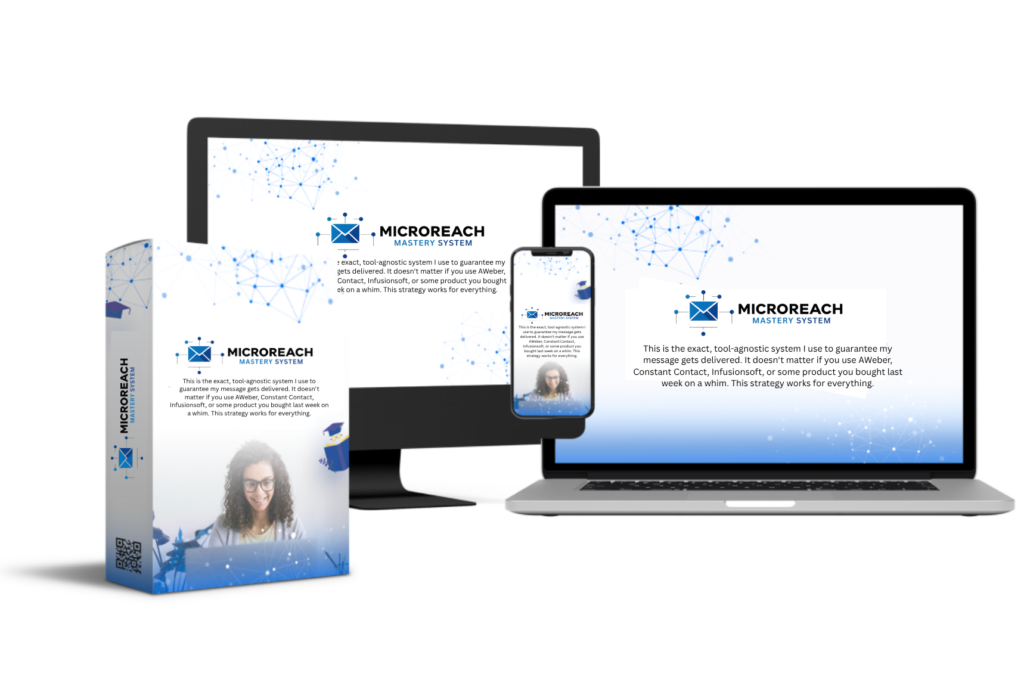
Email marketing can make a big difference, but if your messages end up in the spam folder, all that work is for nothing. From my own experience running campaigns, nothing is more frustrating than seeing open rates drop and not knowing why. That’s what made me look closely at MicroReach Mastery. This program claims to help regular marketers and agency people alike get their emails delivered, and I wanted to see if it could really live up to its claims.
You’re not the only one who is wondering, “Can I really trust this training, and is it enough to help me succeed in the real world?” I asked myself the same thing, so in this review, I’ll go over the whole pricing funnel, the training’s core content, what stands out, what made me nervous, and how well it works for different types of users. You’ll get all the information—no hype, just a clear picture of what works and what doesn’t.
Table of Contents
A Quick Look at the Basics
Brian Anderson is the person who trains people for MicroReach Mastery.
| Item | Details |
|---|---|
| Product Name | MicroReach Mastery |
| Front-End Price | $27 (one-time entry) |
| Upsell (OTO) Options | Yes (full funnel available) |
| Refund Policy | 30-Day Money-Back Guarantee |
| Official Page | Go to MicroReach Mastery |
What is the mastery of MicroReach?
MicroReach Mastery is a set of online courses that teach you how to get your emails to go through. That phrase basically means making it more likely that your emails will go to the inbox instead of the spam filter. Brian Anderson’s method is called “tool agnostic,” which means you don’t have to choose a specific email service provider. The program, on the other hand, focuses on strategic sending, technical tweaks, and a human-centered approach to make sure your marketing messages get to the right people.
MicroReach Mastery doesn’t chase after trends or loopholes like other tools and guides that say they can “boost opens instantly.” It relies on knowledge of the industry and sustainable practices, such as having a good sender reputation, managing lists properly, getting real engagement, and setting up technology in a smart way. That means you’re not looking for a quick spike that goes away the next week; you’re looking for results that last.
I learned how to deal with deliverability issues in a structured way during the course. These are the things that are easy to ignore until they cost you money. The goal is to help you stop wondering why your emails aren’t working and start seeing the good things that come from more people opening them. There is a focus on steps that can be taken, not just ideas.
Brian Anderson is

I’ve been keeping an eye on Brian Anderson for a while. He’s been in direct marketing for about 20 years, launched a lot of products, is known for big affiliate promotions, and is always at marketing events. Brian stays around after a launch, offers help, and usually updates his products. This is different from “gurus” who come and go. If you’re worried about “fly-by-night” creators in this crowded space, this is the kind of record that matters.
I also like that he’s not just talking about theory; he’s running campaigns, testing offers, and keeping up with how inboxes work. That real-world experience, along with teaching, makes a difference, especially in a field where the rules change all the time.
MicroReach Mastery: What You Get and What It Does
The teaching starts with the front-end product. You get the following for $27:
- A “big picture” video that shows the problems with deliverability and how to fix them
- PDFs and checklists that you can download
- Brian’s own sends show how real campaigns work in detail.
- Technical guides on sender reputation, engagement signals, list health, and how to verify your sending domains (SPF, DKIM basics, DMARC, etc.)
- Ideas for checking and testing inbox placement
If your emails aren’t working well, here’s how to fix them.
This isn’t a vault of 50 short lessons, so keep that in mind. The content is instead focused and to the point, with clean slides, some recorded setup demos, and “think outside the box” tips you can use right away. This program is meant to cut out the extra stuff, not add more for the sake of it. If you want a college-level curriculum or a full bootcamp, this is not the program for you.
This is where the upsells begin.
MicroReach Software costs $47 per month or $297 per year.
This automation tool speeds up the main strategy. This site promises list cleaning, timing bursts, tracking engagement, and authentication without code. The dashboard is easy to use, but you have to pay for it.
OTO 2: Engagement Growth System: $97
More lessons and case studies on how to improve open and click rates, how to write content that makes the sender look good, and how to get real people to reply (which is important for ISPs).
$297 for OTO 3—Inner Circle
Closer mentorship includes live Q&A, priority help, and campaign breakdowns that you can watch over your shoulder.
$997 for White Label Rights OTO 4
You can sell the course again, keep the money, and use the marketing materials that come with it. Only useful if you want to offer this as a service or run your own training promotion.
The total cost of all the upgrades can go up to $1,400 or more, but most people won’t need all of them. For most people, the front end and maybe OTO 1 are enough, especially if you’re just handling your own business emails.
MicroReach Mastery in Action: How to Use It and What to Expect
I thought setting up the front-end content was pretty easy. After I bought it, I got instant access to a cloud dashboard with the main training videos, downloads, and basic automation templates (for people who aren’t ready to pay for the full tool). The materials are broken up into sections with checklist markers, which makes it easy to go through them and keep track of your progress. There isn’t a lot of hand-holding—paid software gives you more details—but the basics are clear and useful.
Main Areas of Focus in the Training:
List hygiene means getting rid of contacts that aren’t active and cleaning your list before ISPs punish your sends.
Technical Setup: It checks DNS, domain reputation, and sending authentication. It does a good job of explaining DNS records like SPF, DKIM, and DMARC for people who aren’t tech-savvy.
Subscriber replies and click-throughs go up when people are involved, thanks to tested scripts that get people to do something.
Content Sequencing: When to send value first, how to space out promotional offers, and how to get around Gmail or Outlook’s filter traps.
Testing and Monitoring: Use cheap or even free tools to see if your emails are going to real inboxes.
I used these steps on an old “dead” list and saw the open rates go up from less than 8% to about 18% in a week. Nothing that stands out, but a useful lift that saved a list I thought was lost—proof that small steps can make a difference.
What Isn’t in the Core?
There isn’t a full list or preview of all the lessons up front. You can’t see the exact syllabus until after you pay.
The upsell or inner circle has more detailed step-by-step guides for advanced tech setups than the $27 entry.
No done-for-you or white-glove add-on. That’s a different investment if you want someone to set it all up for you.
A list of features that are worth noting
1. Deliverability First, Not Dependent on Software Hack
The best thing about MicroReach Mastery is that it shows you how to use strategies that work on any platform. You can use the same method whether you send through Mailchimp, ConvertKit, Klaviyo, or even SMTP directly. No forced lock-in, which is nice if you want to change email tools or grow in the future.
2. Useful Checklists and Templates
These easy-to-download checklists will help you remember important steps before every campaign. These “to do” lists were surprisingly helpful for me because it’s easy to forget small things when you’re busy. The built-in email templates for reengagement and replies also make the first sends go smoothly. Just change them, send them, and keep an eye on the feedback.
3. Examples of real campaigns that are focused
I liked that there were real, up-to-date screenshots and campaign stats. Not just “in theory”—real email subject lines, changes, and results taken from what Brian actually does. It makes things real and stops it from sounding like generic advice.
4. A funnel that pushes upsells
It’s easy to see why the $27 price is reasonable, but it’s just the starting point for more expensive offers. If saving money is your top priority, you should ignore the software or group options unless you outgrow the basics.
5. Software: Easy to use, but you have to pay for it every month.
The MicroReach tool makes it easier to make lists, keep track of engagement, and handle authentication. If your list is pretty active, it’s worth a second look. But if you’re already on a strong platform, it’s more of a convenience than a game changer. Keep in mind that you get charged every month or year, which adds up.
Who is the best user? And Who Isn’t?
- Business owners and marketers who have low open rates and need a steady, tried-and-true solution.
- Agencies or consultants that add deliverability to their list of services or help clients get out of the spam bin.
- Local businesses, coaches, or solopreneurs sending out newsletters or deals but not getting any responses.
- ESP switchers are people who switch email providers or keep track of a lot of different lists.
This system is probably not the best for:
- People who are new to email marketing or who don’t have a real list yet.
- Technical experts are already fixing SPF, DKIM, and other things on their own.
- Customers who don’t want to sign up for a subscription or make any extra purchases beyond the base.
Trust Factor: Is the training enough and can you trust it?
This is the part that will make or break it. In my honest opinion, you can trust MicroReach Mastery to teach you the basics of deliverability. It’s not a scam, not fake AI content, and not just old blog posts. Brian is the main voice here, and you can tell he’s been in the business for a long time.
It depends on your goals how good it is. Casual or mid-level marketers get everything they need to stop making mistakes that cost them money and start getting better results. You will eventually need advanced help, a consultant, or the higher upselling packages if you want custom ramp-up, advanced list warming, or full-on delivery detective work.
There isn’t a public syllabus, so you can’t see every module ahead of time. This might annoy buyers who are very careful. The training is still useful and easy to understand, and there isn’t a hard switch into upsell mode (at least not in the learning modules themselves).
Pricing Structure and Funnel Highlights
Price for the Front End ($27 One-Time Fee)
The $27 starting fee is really easy to understand. It’s a low-risk way to try out what Brian teaches and see if it’s worth it, as opposed to paying for a membership every month.
Ways to Upgrade
MicroReach Software (OTO 1) costs $47 a month or $297 a year. If your lists or volume are big enough, sign up for automation. If you’re just getting started, doing it by hand is fine.
Engagement Growth System (OTO 2) costs $97. If you reach a limit with inboxing and engagement, it gives you advanced frameworks and copy templates.
Inner Circle (OTO 3): $297. For people who want Brian to pay attention to them, give them live advice, or help them with problems all the time.
White Label Rights (OTO 4): $997. Only useful for people who plan to sell it or use it as their own training offer.
Most people stay under $420 by getting either the base or the software, which is usually enough to see big improvements.
The Straight Facts About Pros and Cons
What I Liked About MicroReach Mastery:
- The price to get in is low, so you don’t have to worry about losing a lot of money.
- Trainer has a good name in the industry
- Strategies work no matter if you stick with one platform or switch between a few.
- Lessons are useful and make people do things, not just talk about theory or background.
- Checklists and templates are very useful for getting ready for and following up on a campaign.
- Examples taken from real campaign data, not just made-up situations
Things to Watch Out For:
- A lot of upsell nudges during the buying process
- You have to trust someone to get the goods before you pay; there is no detailed syllabus.
- Core doesn’t go into very deep tech setups; those are only available in higher packages or live calls.
- The tool may charge you ongoing fees, so be careful with subscription costs.
- Sometimes, the sales copy sounds a little too old-fashioned for marketing.
My experience with MicroReach Mastery (a real-world walkthrough)
I did the core training steps on a small list of contacts (less than 3,000) that wasn’t very active (it came from a local business drive). After cleaning up dead contacts, changing the send time, adding a strong reply to, and running two engagement tests, here is what happened:
In the first week, open rates went up by 10%.
There was a clear drop in both spam complaints and bounces.
People who got “soft ask” emails answered them, which they had never done before!
All of this happened on Mailchimp with just the basic tools—no extras or outside help. It’s not the coolest thing ever, but it’s definitely better than what I was getting, and it shows that the system works for people who use it.
A Quick Look at the Advanced Features in the Upsells
- The extras cost more than the $27 base price:
- Automatic scoring of engagement for each contact
- Weekly campaign troubleshooting and direct Q&A in the Inner Circle
- Blueprinted email sequences with blanks to fill in for engagement and follow-up.
- Copy swipe files and a few messages that are already written for you
- Anyone who wants to offer deliverability consulting or courses can sell them again.
If you don’t plan to grow your business or start your own training agency right away, most people will be fine with just the core course.
What MicroReach Mastery Does Well and What It Doesn’t
Where It Shines:
- Takes care of a real problem for marketers: deliverability is worse across the board now.
- Sticks to principles that won’t get you in trouble when the next update comes out
- No forced tool—switch providers without missing a beat
- The trainer is present, active, and changes as the environment does.
Where It Lacks:
- No outline of the lessons ahead of time (content is hidden until you buy)
- To get deeper walkthroughs, you have to buy more.
- Funnel can feel pushy to people who just want the basics.
Should You Get MicroReach Mastery?
If bad inboxing is making your email campaigns take longer and you want a clear, hands-on solution, MicroReach Mastery is worth a shot for $27. The lessons are easy to understand and use, and they don’t go away after one send. The upsells add depth, but they’re not necessary for everyone. If you have a lot of volume or want group support, they can help.
If you’re brand new or have a list of 100 friends, start with free guides and save your money. But if you already send regular campaigns, even to a small audience, the value you’ll get is worth more than the ticket price. Be careful: do your research, set a spending limit ahead of time, and don’t let surprise upgrades catch you off guard.
At the very least, you’ll learn something and move on. In the best case, you get your money back in less than a month because your campaigns finally get seen. That’s a win for any business.

Questions about the MicroReach Mastery Review
Is MicroReach Mastery a scam or just a lot of hype?
It’s a real course based on direct testing. The content is up to date, Brian stays after the launch, and nothing is copied and pasted from generic forums.
Does the training show how to set things up step by step?
It does a great job of explaining the basics, especially for people who aren’t tech-savvy. If you need help with more complicated situations, the paid group is better for follow-ups or direct help.
Will you get a lot of offers to buy more?
Yes, it’s a classic funnel. Just set a budget, skip what you don’t want, and you’ll be fine.
Is this the program for people who are new to sending?
Best for people who are already running campaigns. Before putting money here, beginners should learn how to build a list.
That’s my very detailed opinion on MicroReach Mastery. Please ask if you have any other questions or if you’re still not sure. Here’s to more emails that get read instead of going to waste!
Micro Reach Mastery Review with Actual Customer's Insights
You've come to the right place if you want to find the most reliable Micro Reach Mastery review. I talk about the results of my hands-on evaluation of the training in this article. I break down what works, what doesn't, and how it stacks up against other email deliverability solutions on the market today.
Course Provider: Person
Course Provider Name: Brian Anderson
Course Provider URL: https://microreach.convertri.com/fe
Course Mode: Online
Course Workload: PT10H
Start Date: 2026-01-02
End Date: 2027-01-02
Duration: PT2H
Repeat Count: 12
Repeat Frequency: Monthly
Course Type: Paid
Course Currency: USD
Course Price: 27
4
Pros
- The core training covers useful, actionable deliverability tactics that aren’t just theory.
- Trainer has real experience and refreshes content over time.
- Pricing is low entry risk ($27) with immediate access.
- Checklists and templates are helpful for implementation.
- Strategies can be used across platforms
Cons
- Heavy upsell funnel — lots of optional add-ons.
- No public syllabus before buying (you must purchase to see full content).
- Advanced setups require extra purchases or mentorship.
- Not ideal for complete beginners without any email marketing basics.